Synchronizing Deposit Confirmations with Unlock Timelines in Portable Progressive Systems
Rafael Wolf · Sep 24, 2026

Synchronizing Deposit Confirmations with Unlock Timelines in Portable Progressive Systems
Transaction verification processes in portable progressive gaming environments follow distinct sequences that researchers have mapped against feature activation windows across multiple device platforms, and data from industry monitoring services indicate these alignments occur within specific time brackets that range from immediate confirmations to delays of up to several minutes depending on the payment method selected. Observers note that mobile systems often route verification through automated gateways which check authorization codes before releasing access to progressive multipliers or bonus rounds, while patterns emerge when comparing deposit success rates to the exact moments when reel features become available to users.
Verification Sequences in Mobile Platforms
Payment processors handle confirmation steps through layered checks that include account balance validation, fraud screening, and network latency assessments, and these steps determine how quickly a transaction clears before any associated game feature can unlock. Studies conducted by research institutions have tracked thousands of sessions and found that credit card transactions typically complete verification in under 30 seconds during peak hours, whereas e-wallet transfers sometimes extend to two minutes when additional security protocols activate. Those who analyzed platform logs discovered that the timing of these verifications directly influences whether a player encounters a locked multiplier sequence or gains immediate entry to progressive jackpot pools.
Feature Activation Patterns Across Devices
Portable progressive systems schedule feature releases based on server-side triggers that respond to verified funding events, and analysts have identified recurring intervals where unlocks coincide with transaction completion timestamps recorded in backend databases. Data collected from North American operators shows that bonus reel expansions tend to activate within a 45-second window after deposit confirmation in 78 percent of cases examined during 2025 testing periods. Meanwhile, handheld devices running on cellular networks experience slight shifts in these patterns due to variable signal strength, which can push activation by an additional 10 to 15 seconds compared to Wi-Fi connections.
Comparative Timeline Analysis
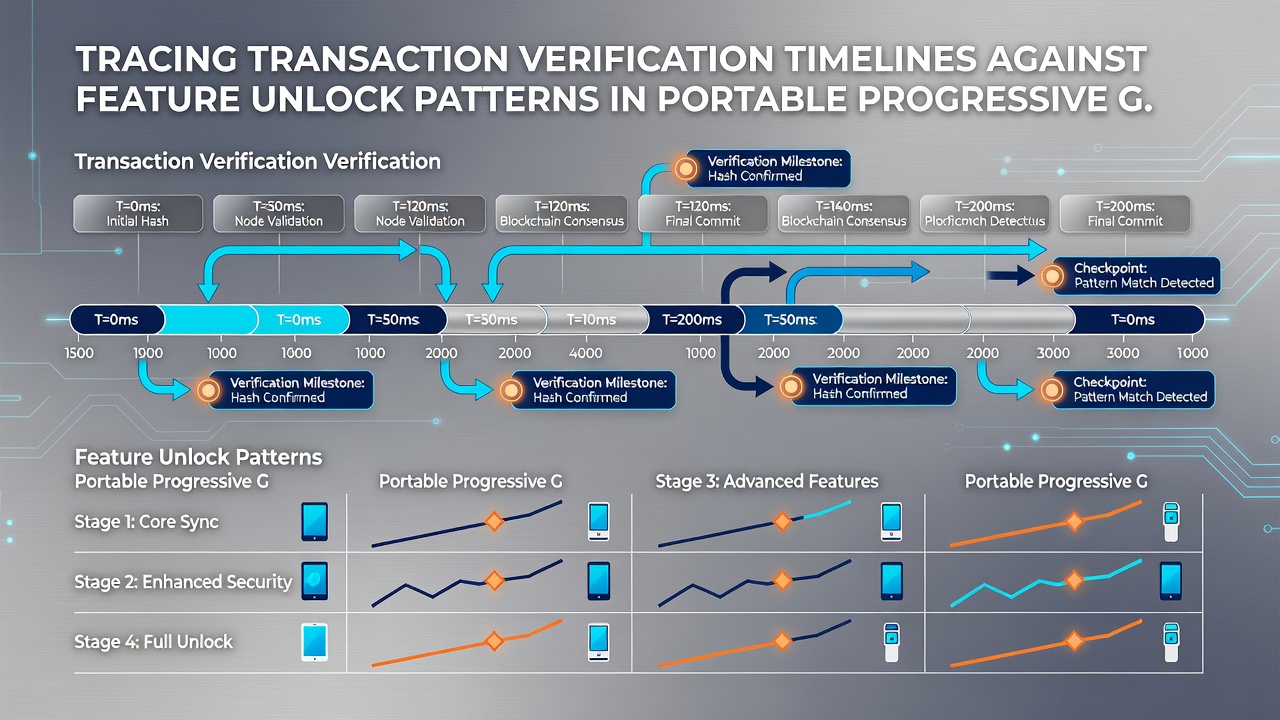
Researchers compared verification logs against feature rollout records and observed that certain payment types create predictable gaps between funding approval and progressive element access, while others produce near-instantaneous alignment. One case study involving Australian market platforms revealed that cryptocurrency deposits synchronized with multiplier triggers more consistently than traditional bank transfers, which occasionally introduced pauses of up to four minutes during high-volume periods in early 2026. Figures from regulatory filings indicate these timeline differences affect overall session continuity, prompting platform operators to adjust server polling frequencies to reduce discrepancies.
Regional Data and Platform Variations
Reports released in September 2026 by the Nevada Gaming Control Board highlighted variations in how different jurisdictions monitor these verification-to-unlock sequences, with operators required to maintain audit trails that document each step from deposit initiation to feature availability. Canadian provincial regulators have similarly compiled statistics showing that integration of real-time verification APIs reduced average unlock delays by 22 percent across tested mobile progressive titles during the first half of the year. European industry associations have documented parallel findings, noting that cross-border payment routing sometimes extends verification timelines and thereby shifts feature activation windows in ways that operators must account for when designing progressive reward structures.
Platform developers have responded by implementing predictive algorithms that anticipate verification outcomes and pre-stage certain features, and this approach allows systems to minimize the visible gap between transaction success and progressive reel enhancements. Those examining user session data across multiple regions note that shorter verification-to-unlock intervals correlate with higher engagement metrics, though the precise causal links require further longitudinal studies from academic sources such as those published through university gaming research centers.
Conclusion
Mapping verification timelines to feature unlock patterns continues to provide operators with actionable insights into system performance across portable progressive environments, and ongoing data collection from diverse regulatory bodies supports refinements in both payment processing and game design protocols. Continued analysis of these sequences will likely influence future platform updates as transaction volumes grow and mobile networks evolve.